Sixty litres in the three-pound class, without the Dyneema tax
I've spent a while thinking about where the actual value sits in the lightweight pack market, and my conclusion is that most of the price jump between a three-pound pack and a two-pound pack buys you one pound and a very expensive fabric. Which is a fine trade if you're chasing a thru-hike record. It's a strange trade if you hike a few times a year.
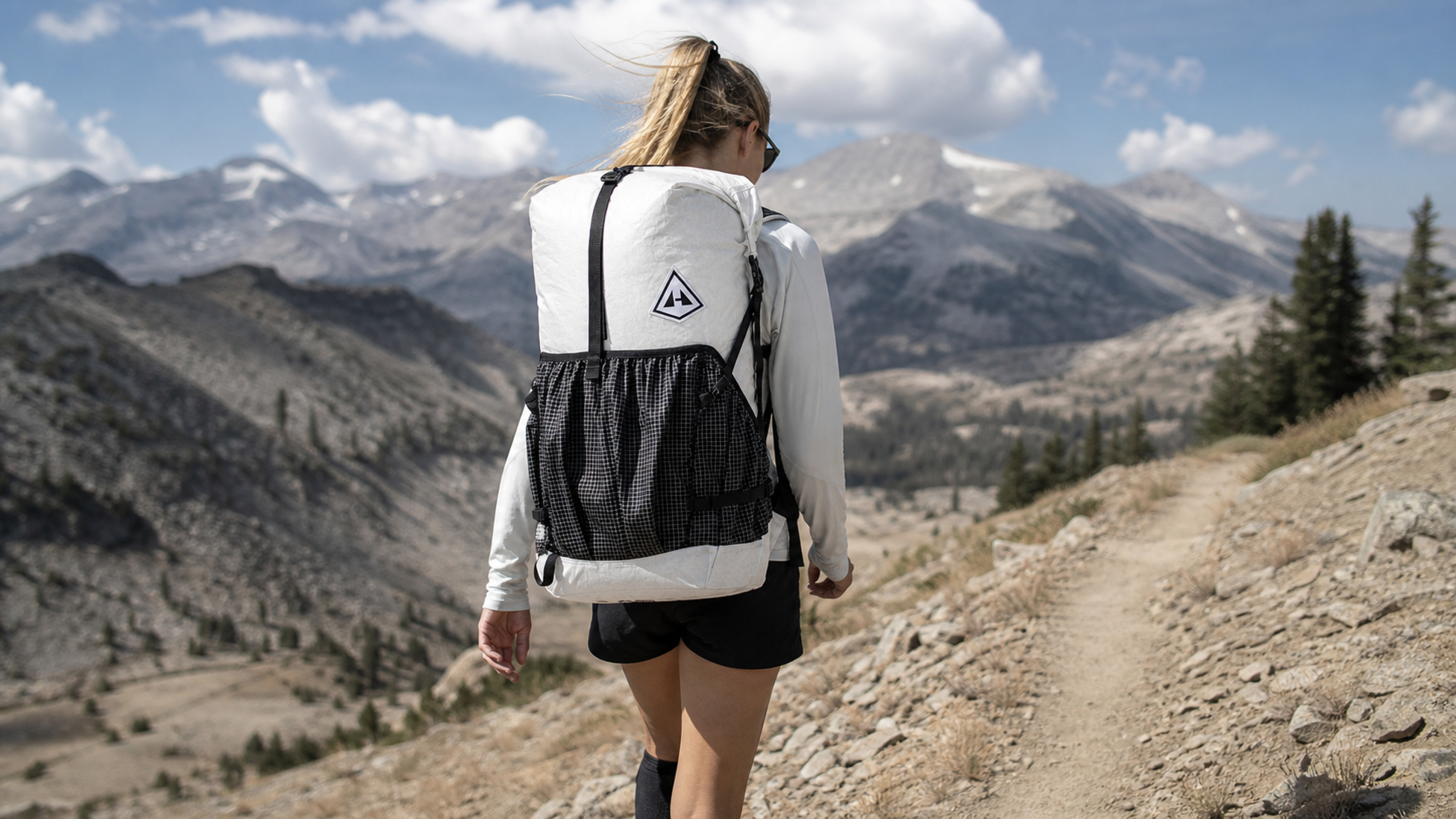
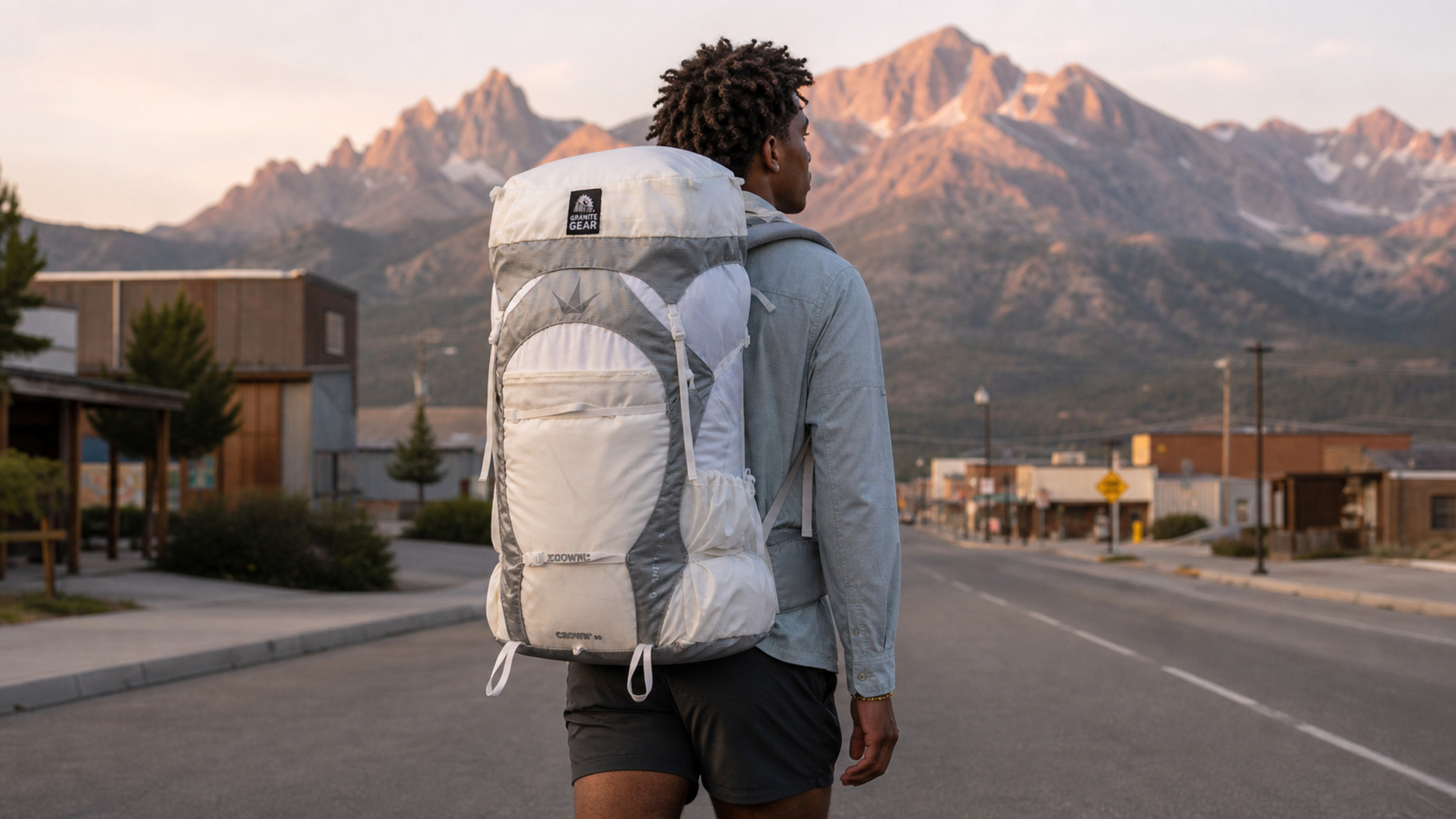
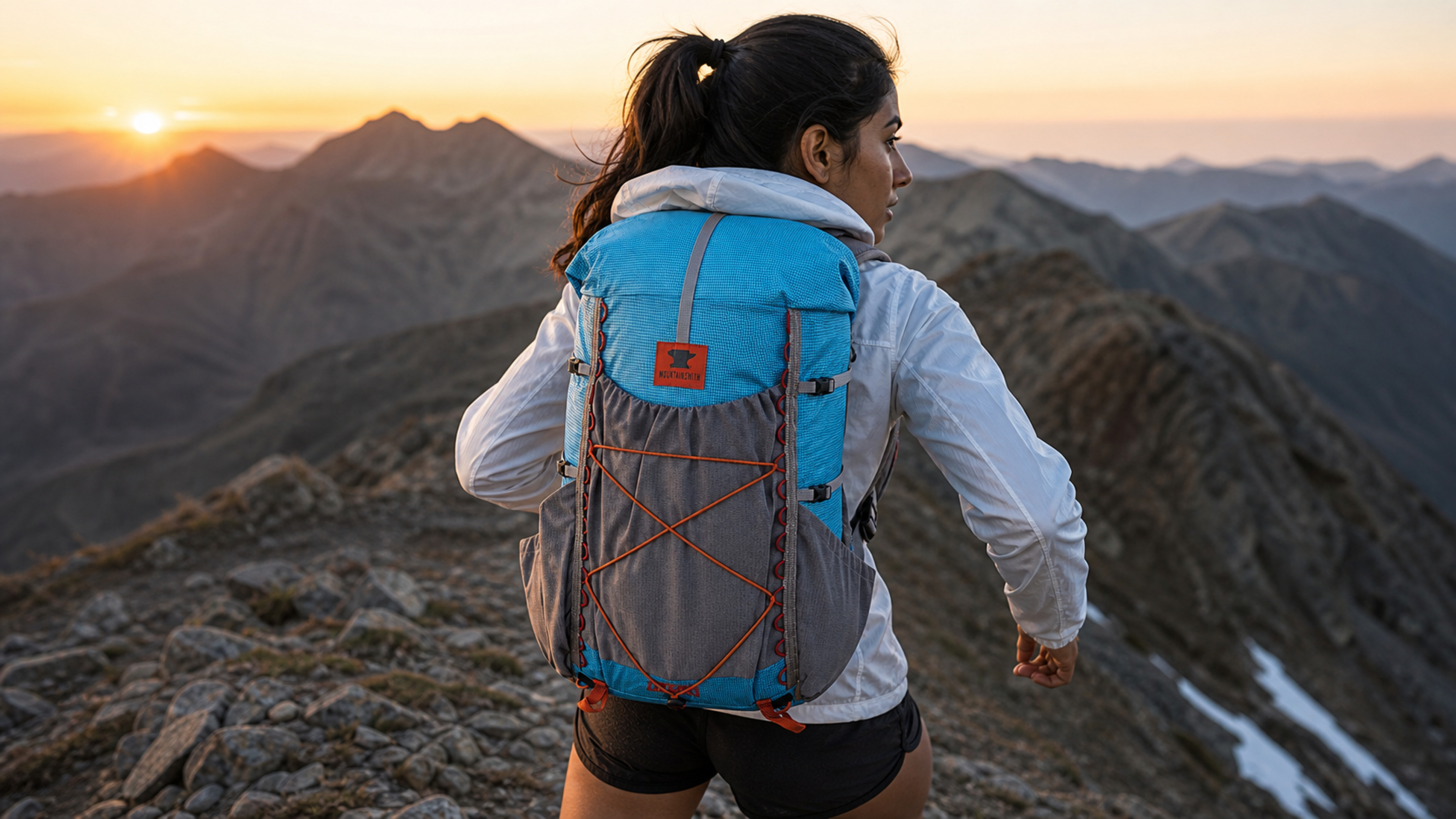
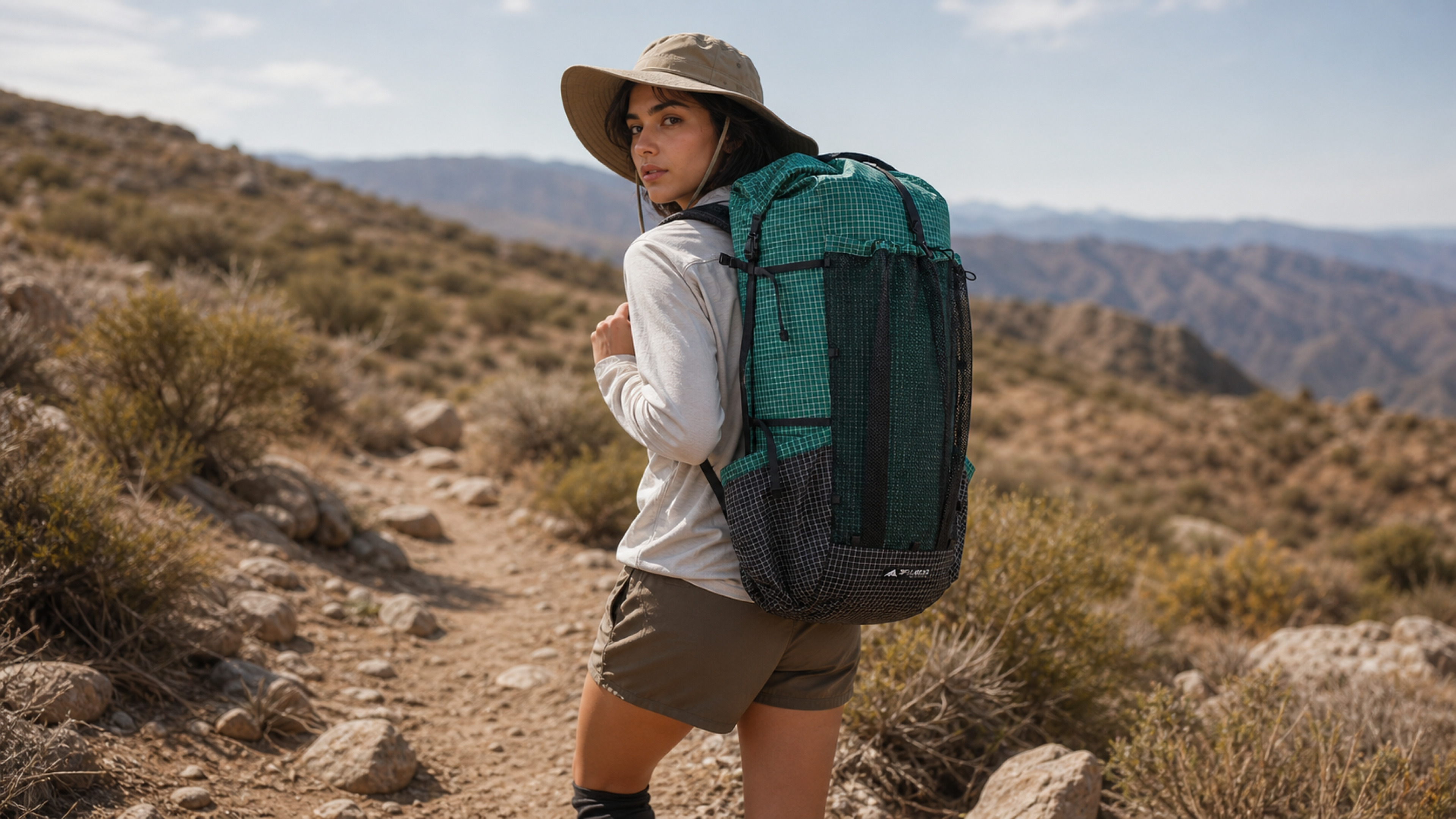
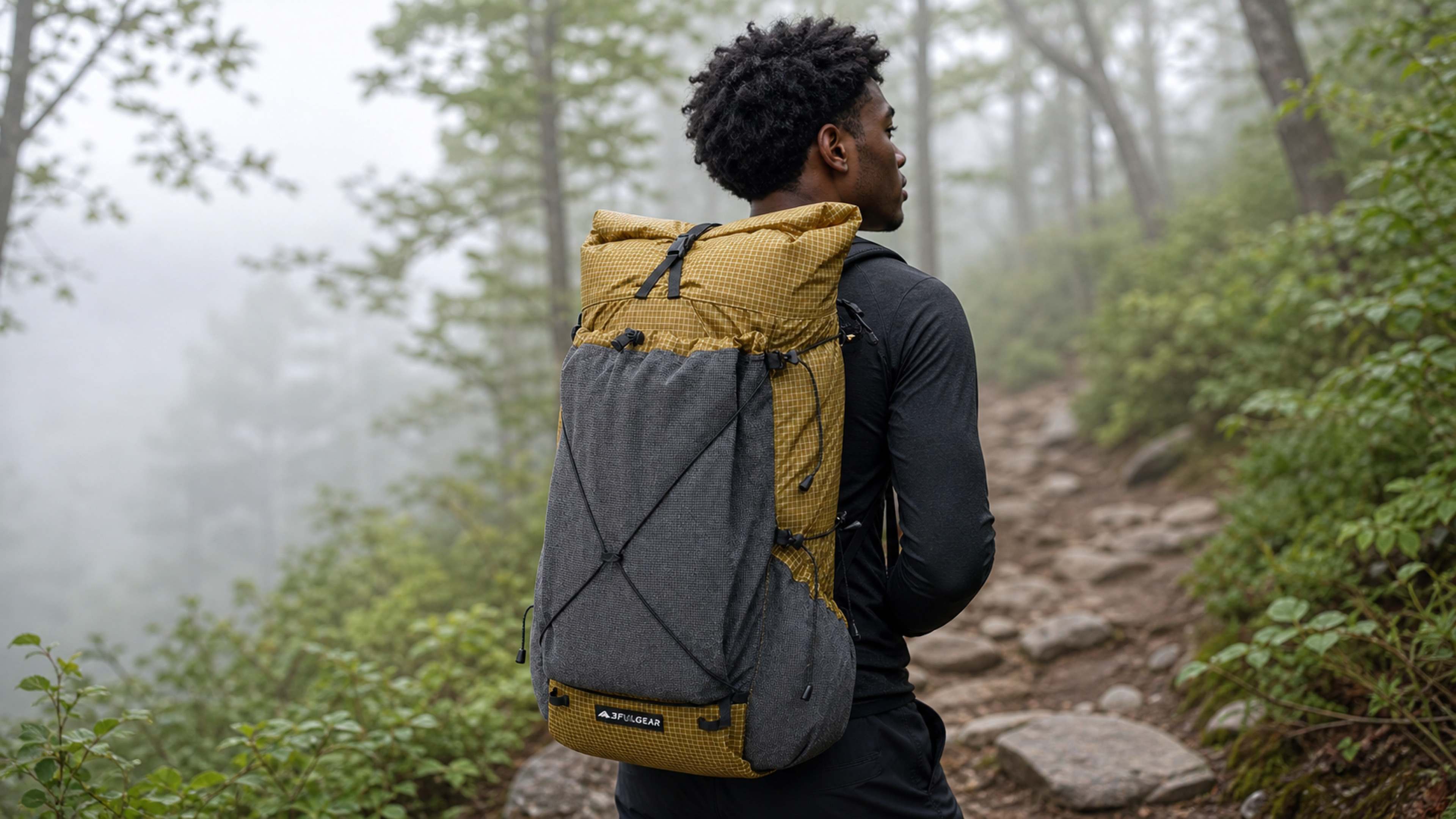
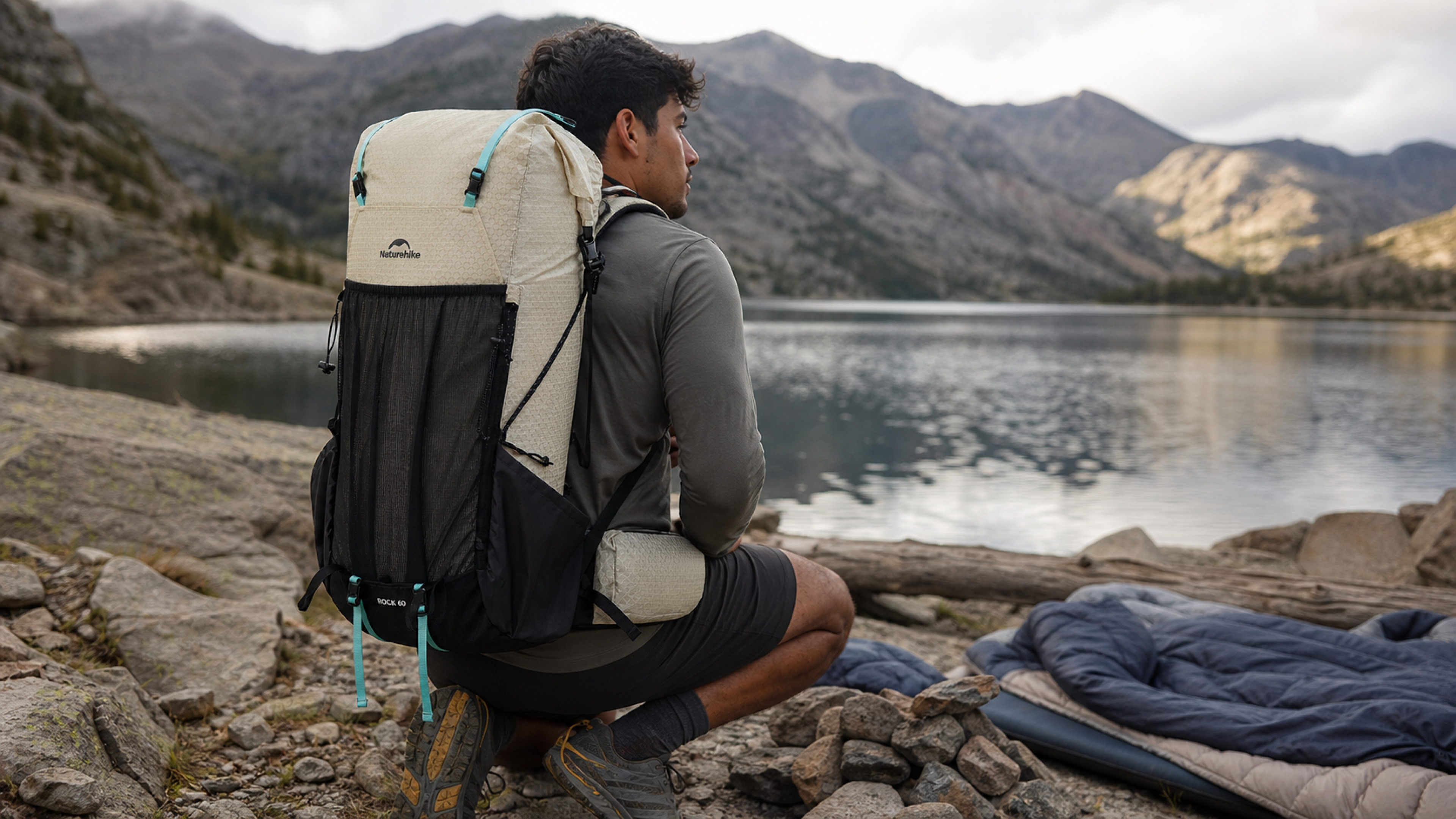
The Rock 2.0 sits deliberately in that gap. Sixty litres of roll-top capacity in roughly the three-pound class, using water-resistant tear-resistant fabric rather than a composite laminate. The advantage is that you get most of the weight saving at a fraction of the cost. The benefit is a pack you'll take on rough ground without wincing every time it scrapes a rock — and that mental freedom is worth more than people account for.
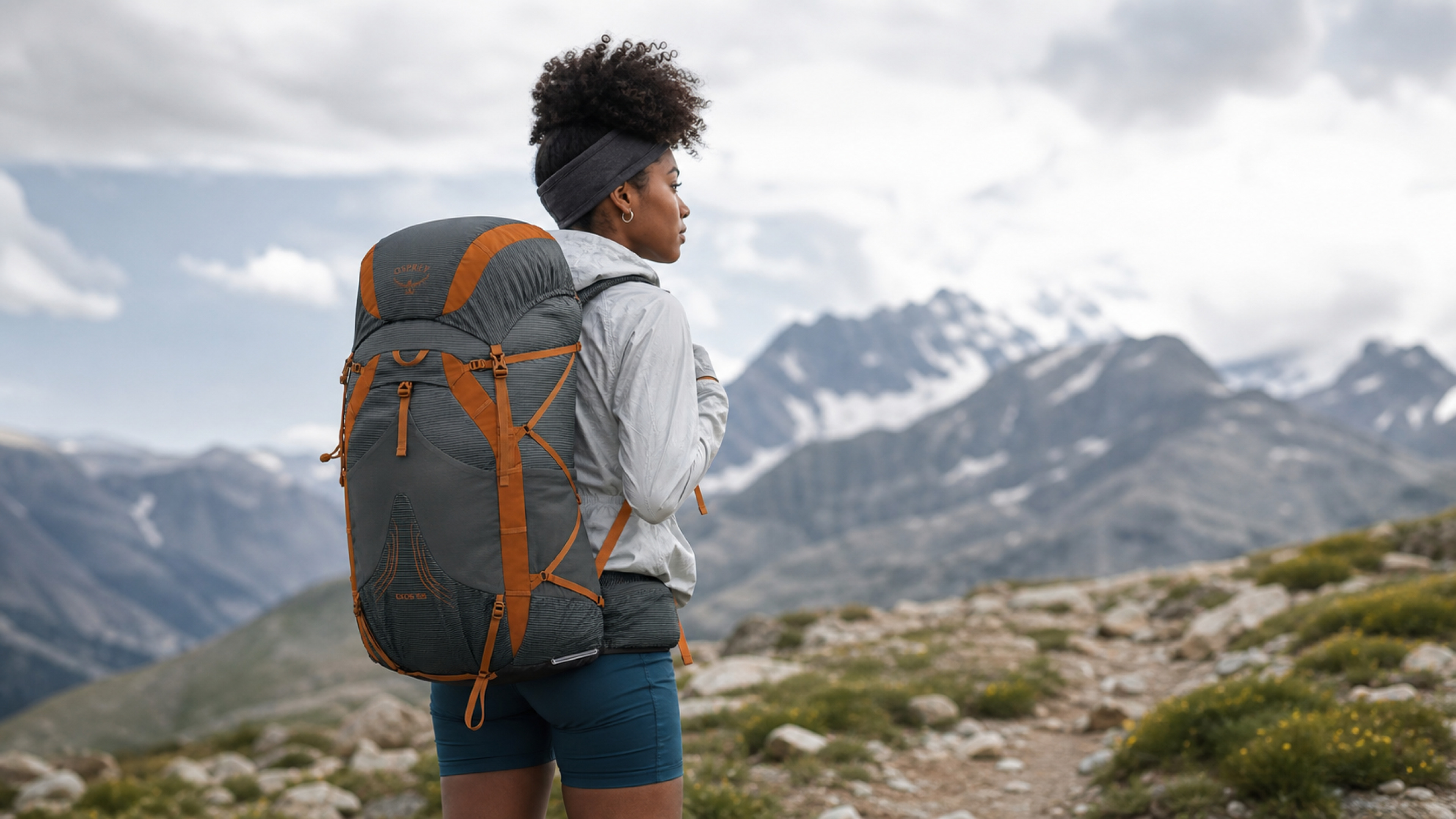
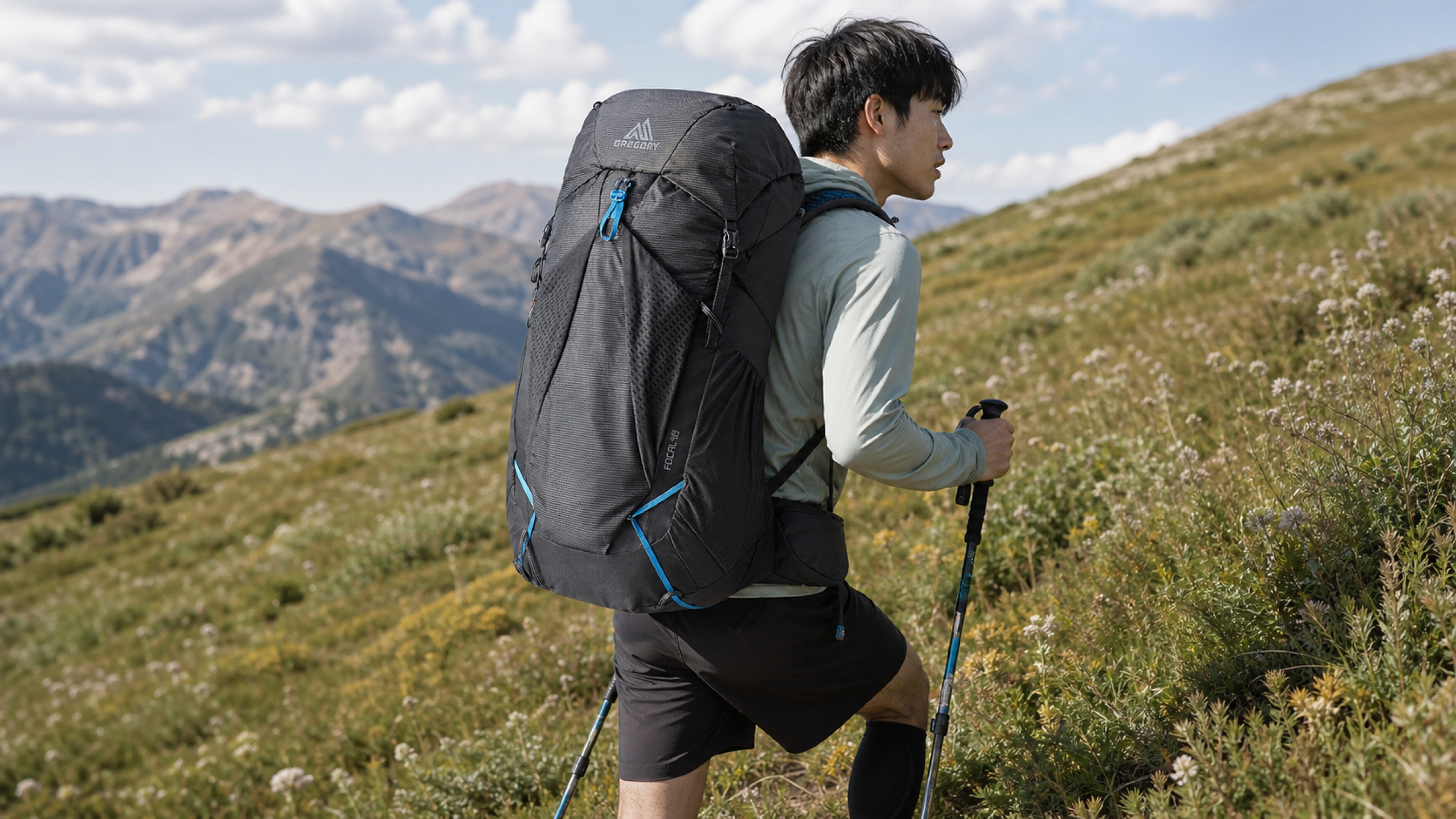
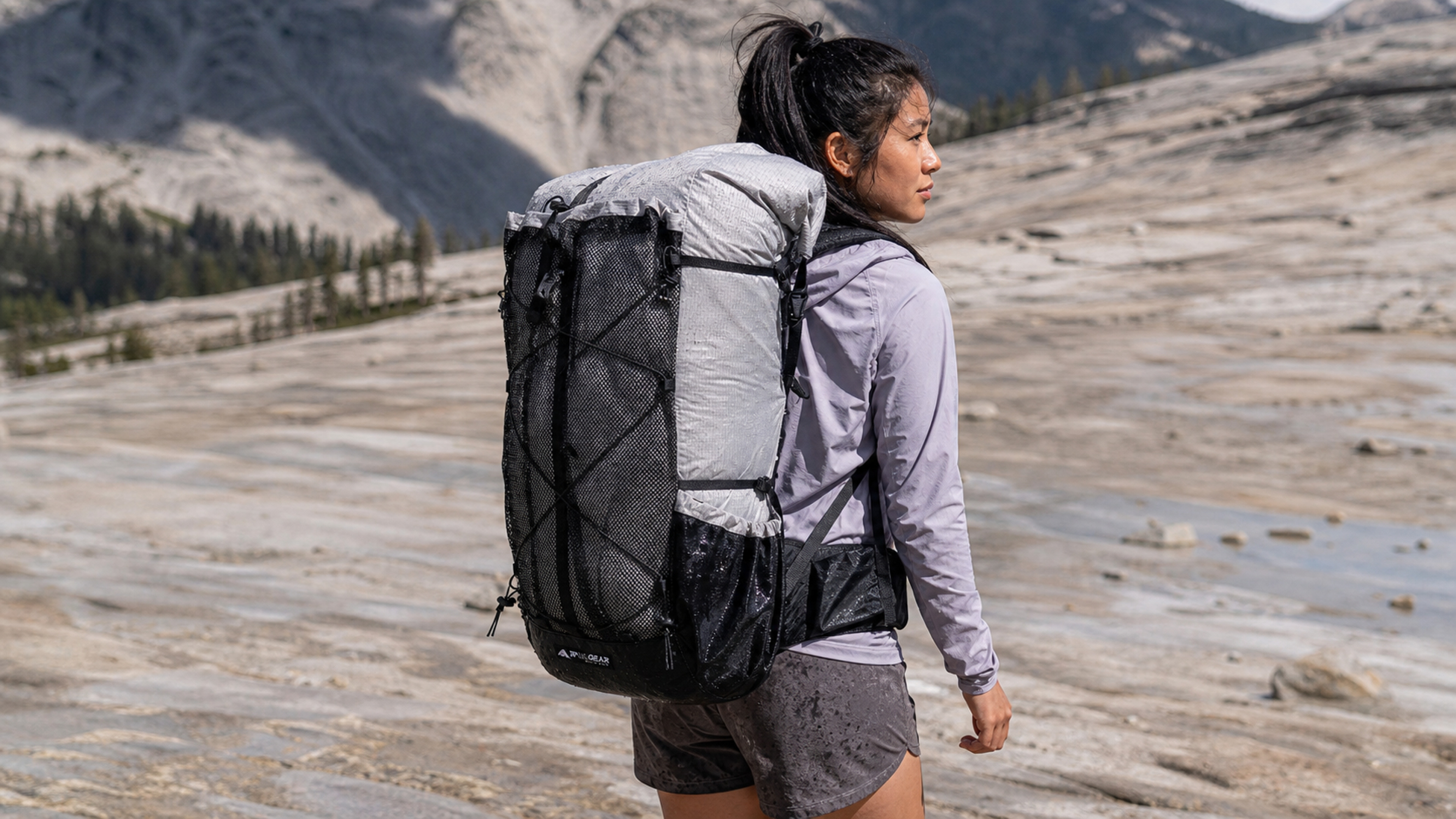
It keeps the internal frame, and I'd argue that's the correct call at this volume. A 60L pack packed for multiple days is carrying real weight, and a frame is what moves that weight from your shoulders to your hips. Frameless designs work when your base weight is genuinely low; below that threshold they just hurt. Keeping the frame plus a breathable back panel means you get load transfer and some airflow on climbs, which is the sensible engineering compromise here.
The roll-top closure does something people underrate: it compresses. As your food supply shrinks over a trip, the pack shrinks with it, so you're never wrestling a half-empty 60L sail in crosswinds on day four.
Access is well thought through. There's a large front mesh pocket for wet gear and shed layers, hip-belt pockets for snacks and a phone on the move, and — the one I'd actually pay extra for — a side quick-access zipper into the main compartment. Top-loading packs make you unload three items to reach the fourth. A side zip means you reach in and take the thing.
There's a built-in rain cover, and I want to be precise about why that matters more than the fabric rating. Water-resistant fabric handles drizzle. Sustained rain finds seams and zippers regardless of the shell. A cover that lives in the pack is the one you'll actually deploy, because the effort cost is near zero.
My qualified conclusion: this isn't the lightest, toughest, or most refined pack in the category, and I wouldn't claim otherwise. But per dollar, the feature set is unusually complete, and accessible lightweight-pack pricing is exactly what gets more people onto multi-day trails. If you've been priced out of going lighter, this is your entry point — worth checking the current listing before it moves.