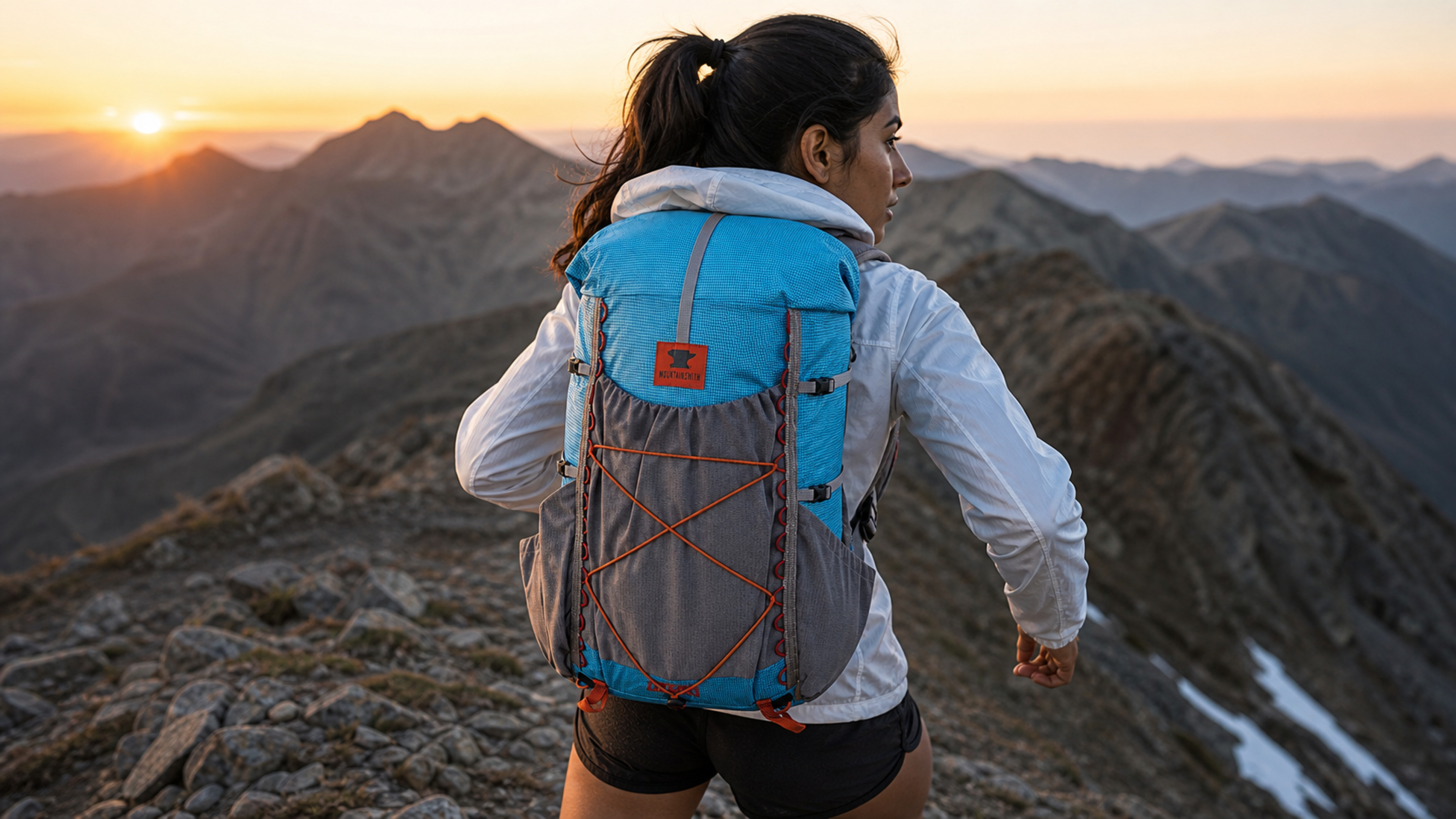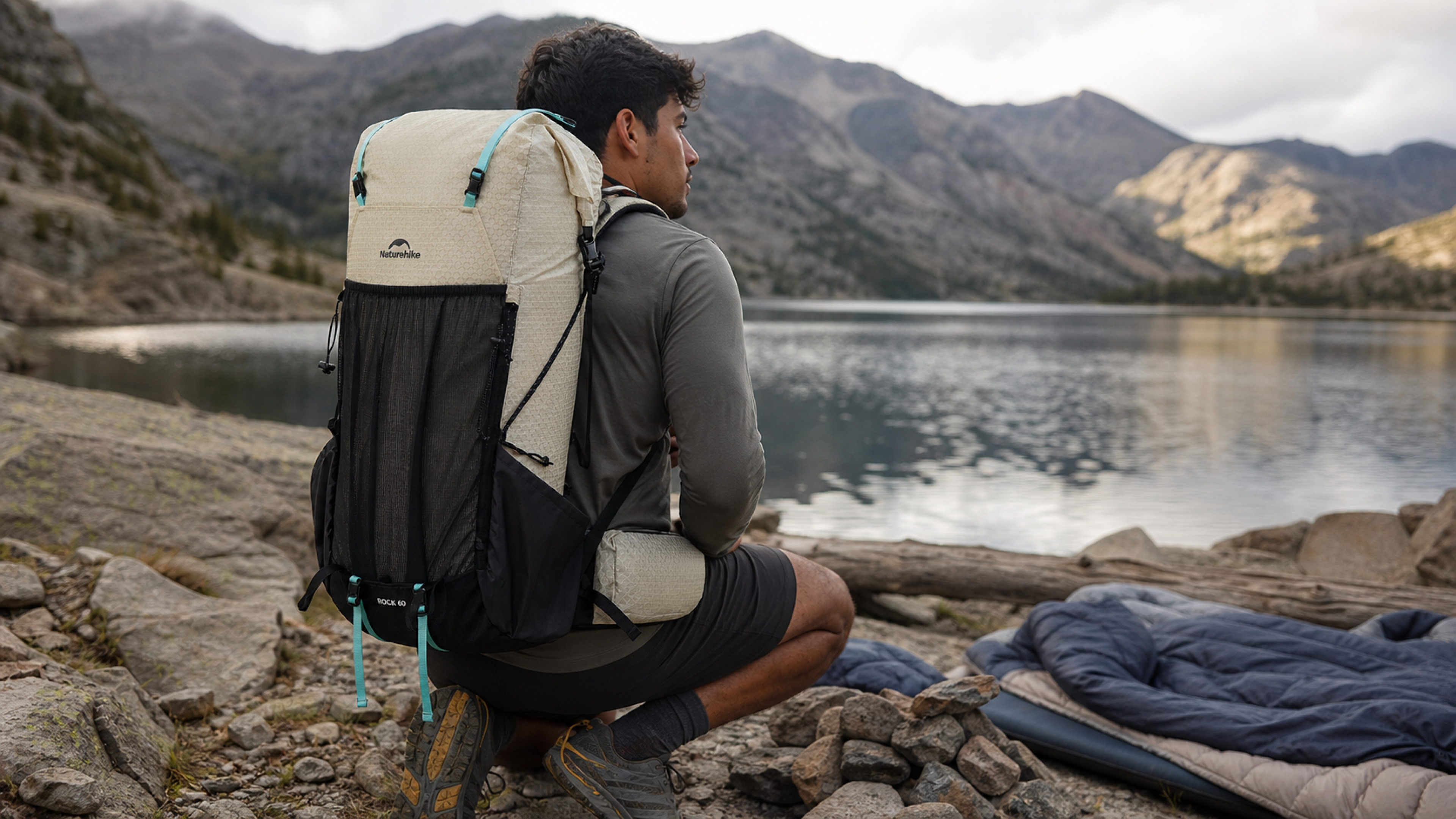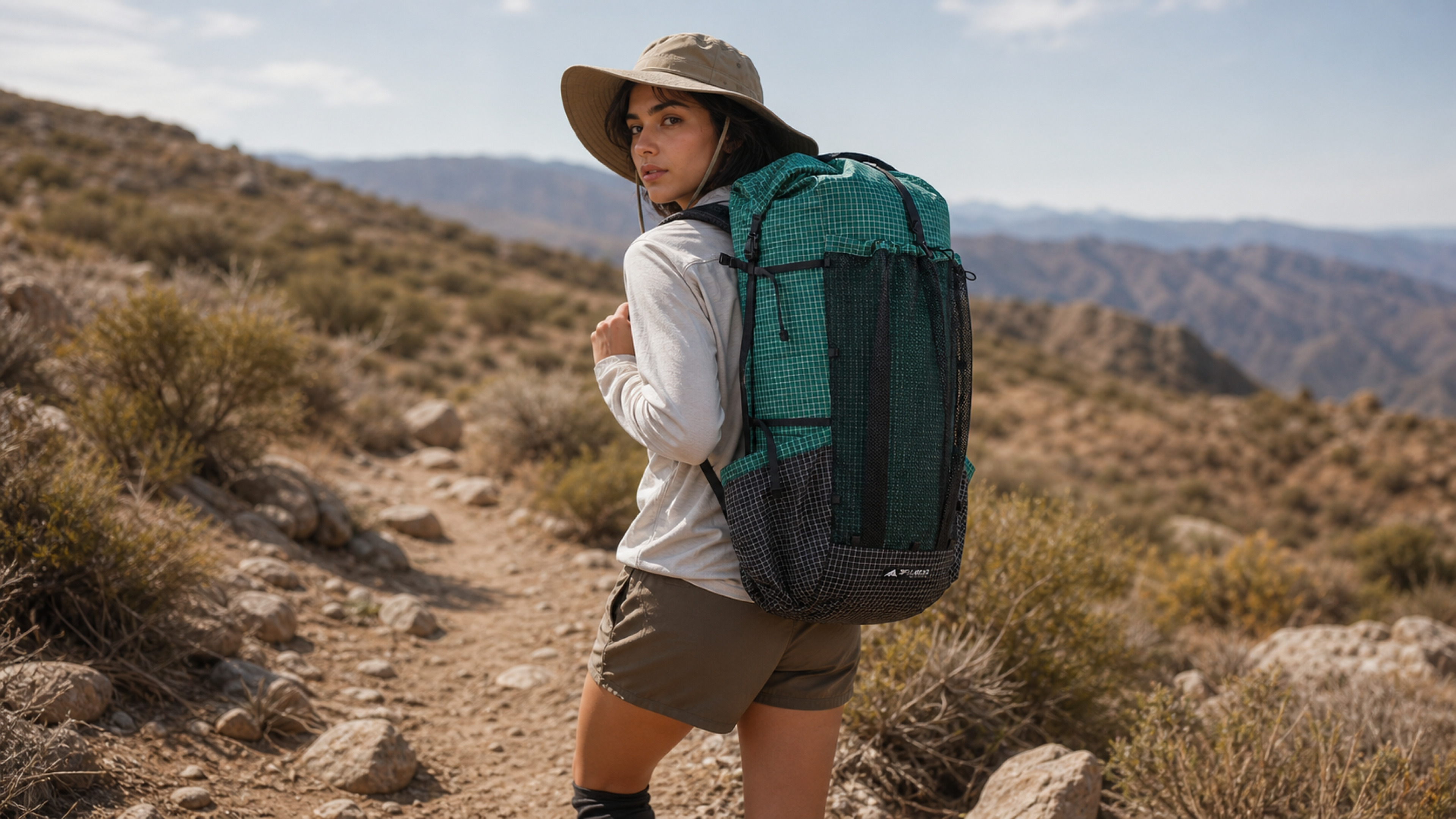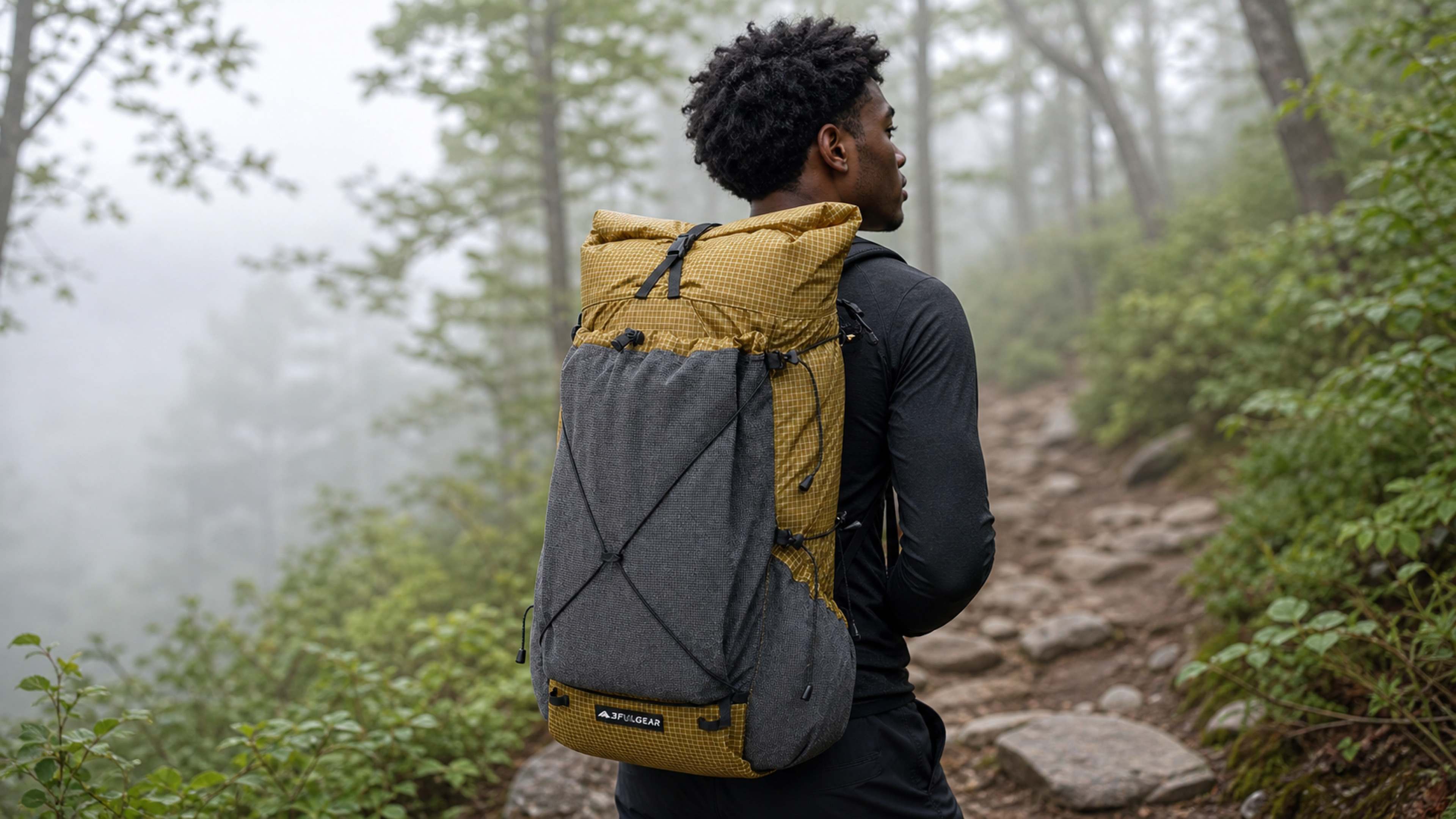
X-PAC-style fabric is the materials story I keep wanting to explain to people
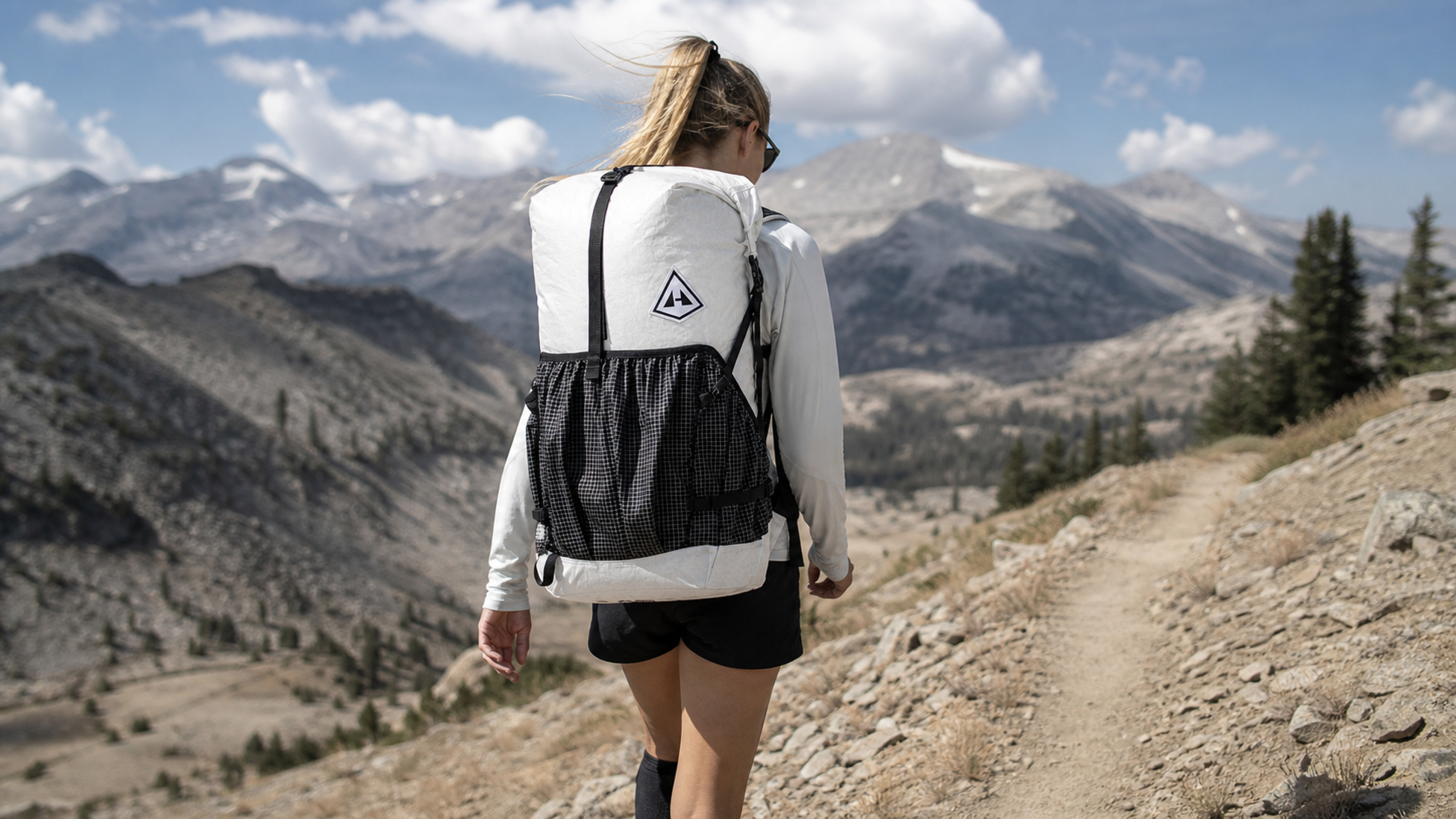
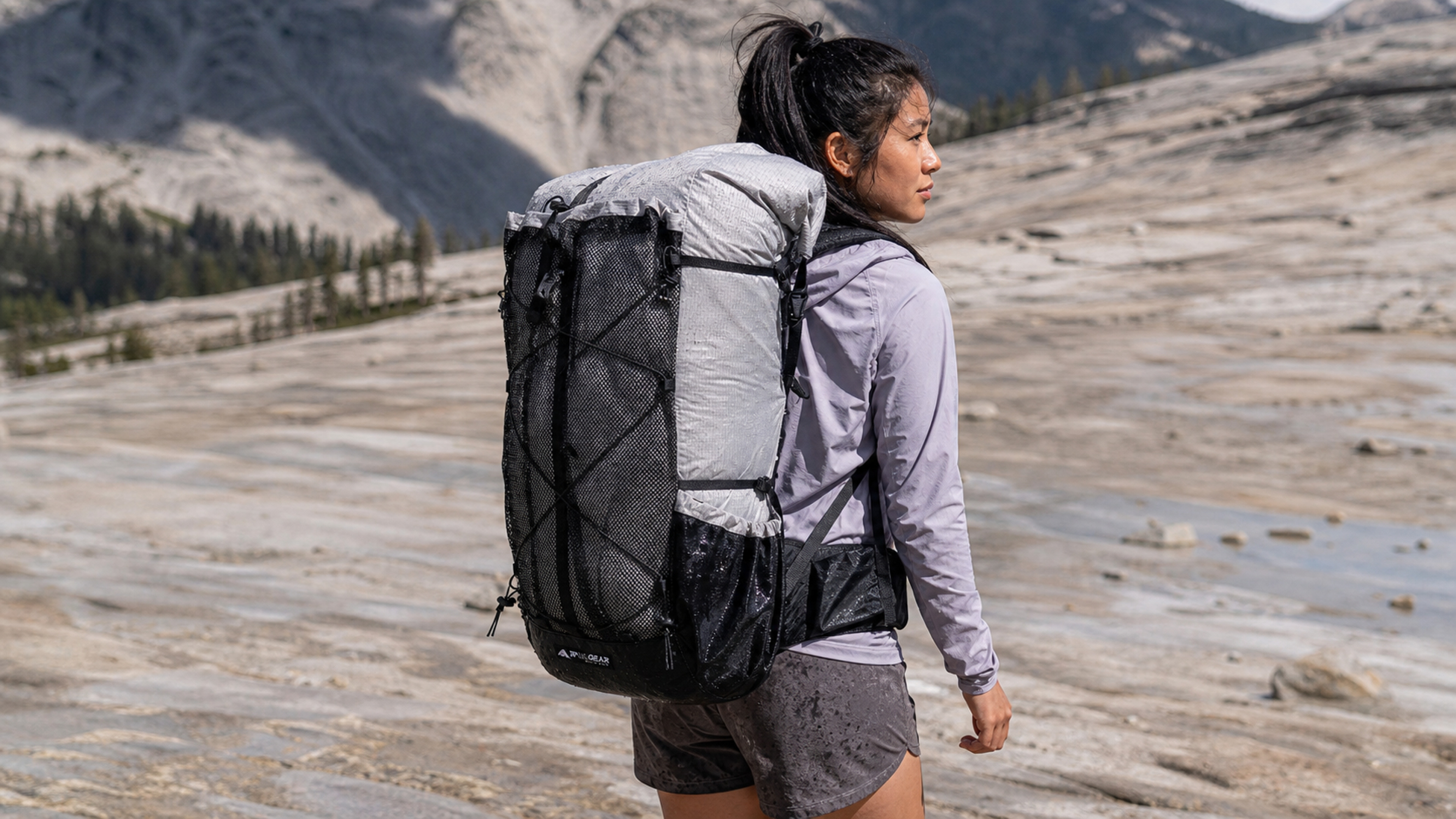
So X-PAC-style fabric is a laminate — multiple layers bonded together, typically including a waterproof film and a reinforcing grid, rather than a single woven sheet with a coating sprayed on. The advantage over coated nylon is meaningful: the waterproofing is a structural layer rather than a surface treatment, so it doesn't wear off at the abrasion points first. The benefit is water-resistant construction that stays water-resistant in year three, which is exactly when most coated packs start letting you down.
That's genuinely exciting to find at accessible technical-fabric pricing, because this material class used to be exclusively a premium-brand thing. The gap between "cottage-industry ultralight" and "affordable" has been closing fast, and this pack is a good example of it.
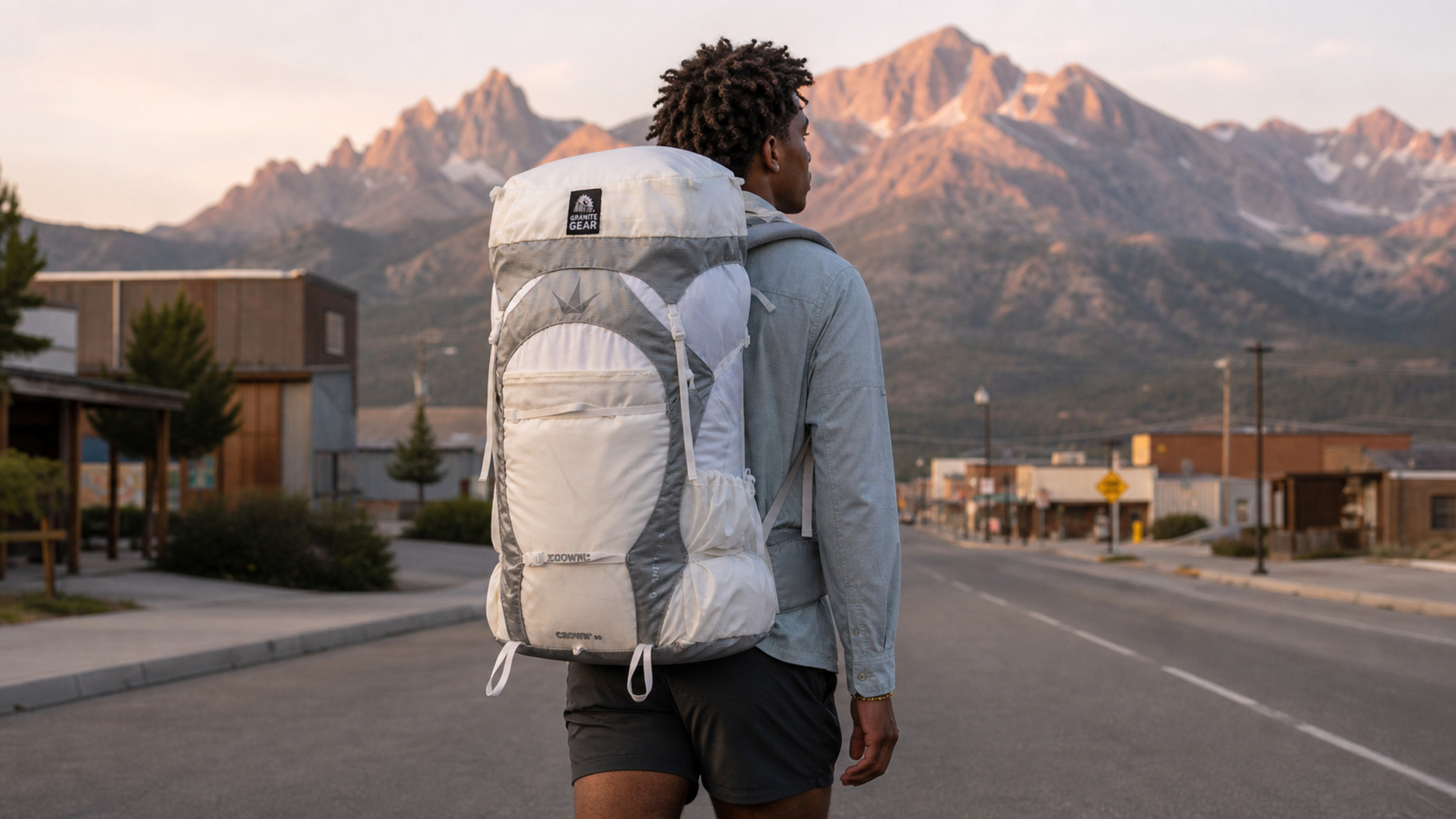
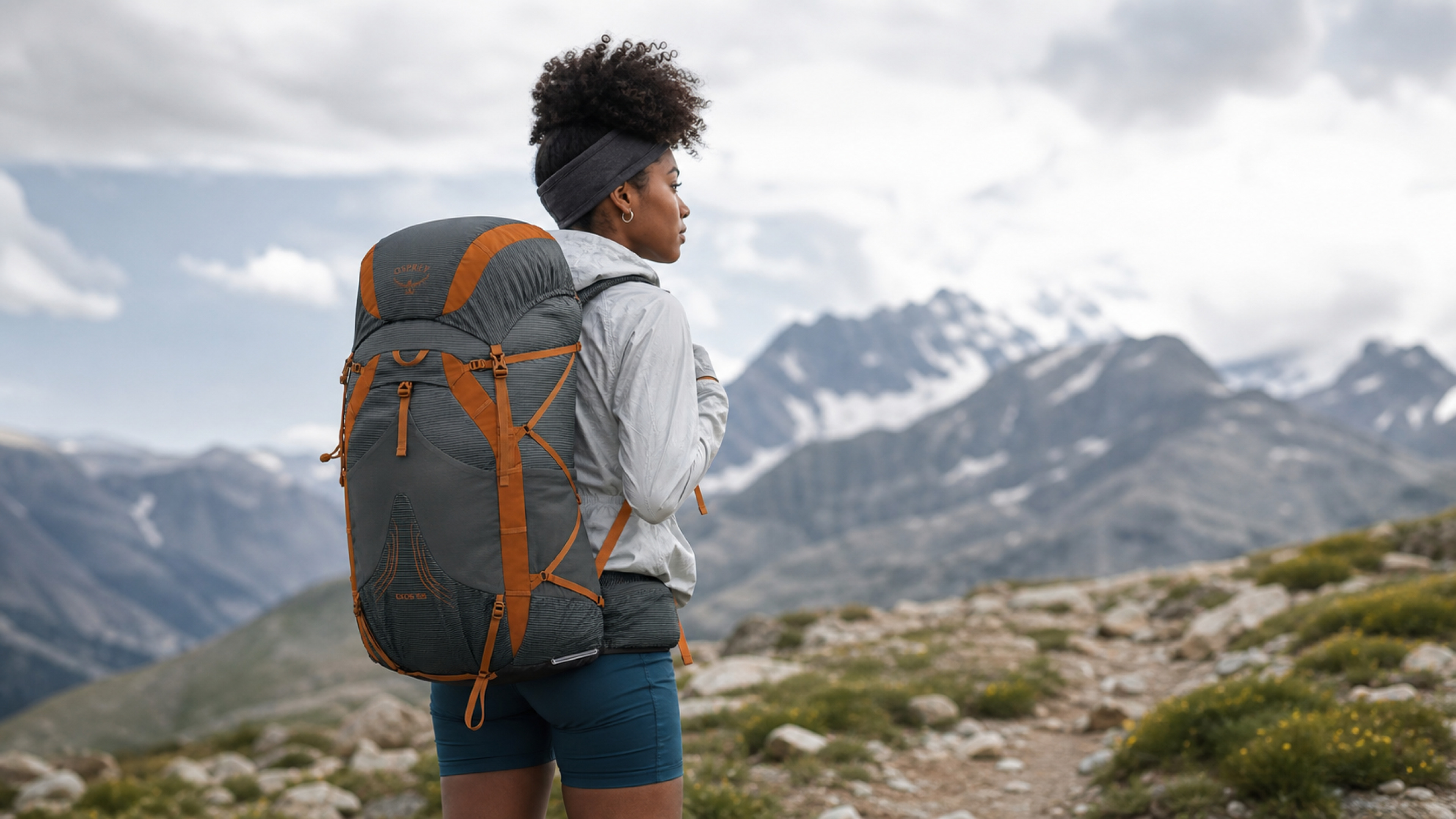
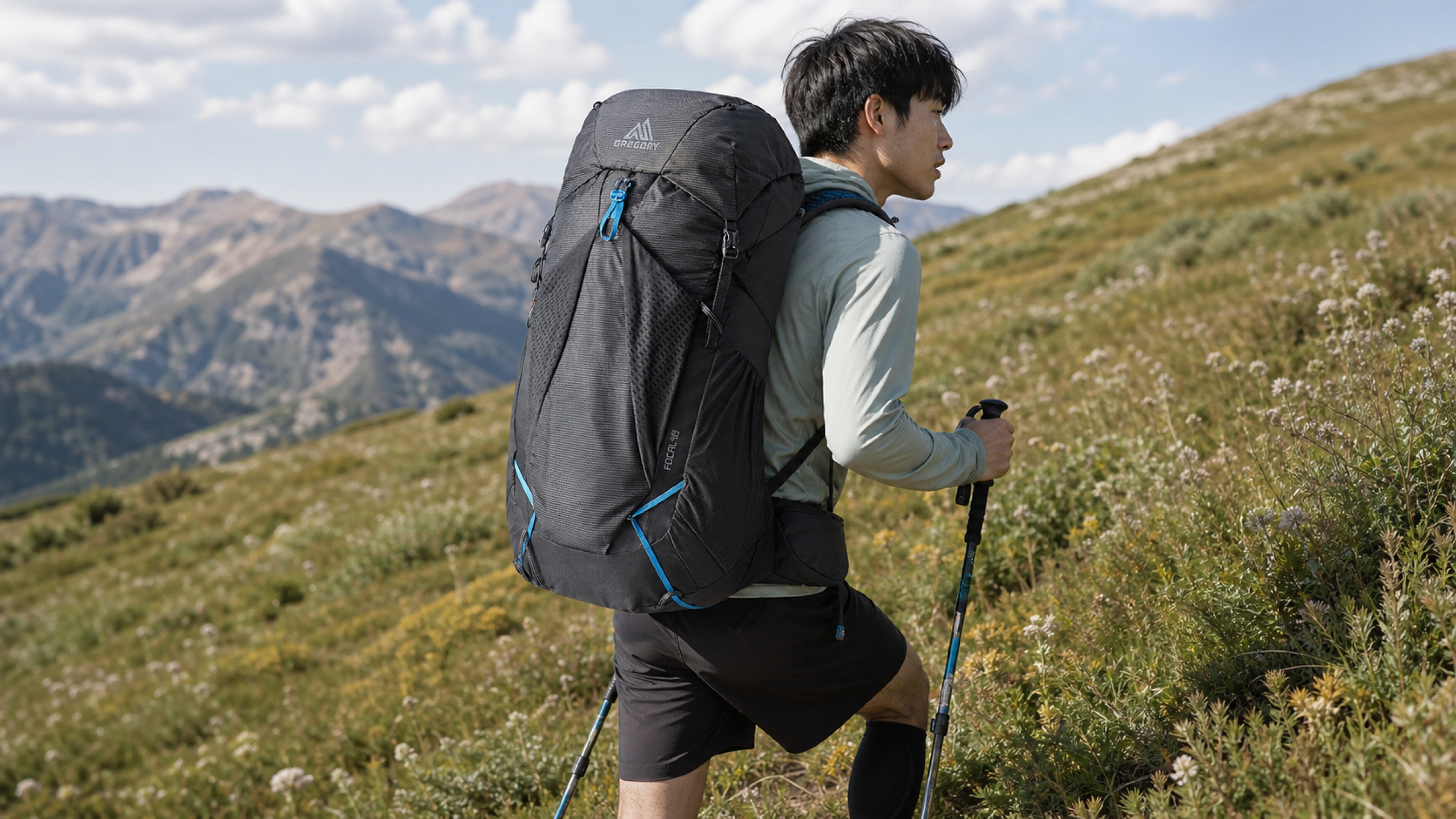
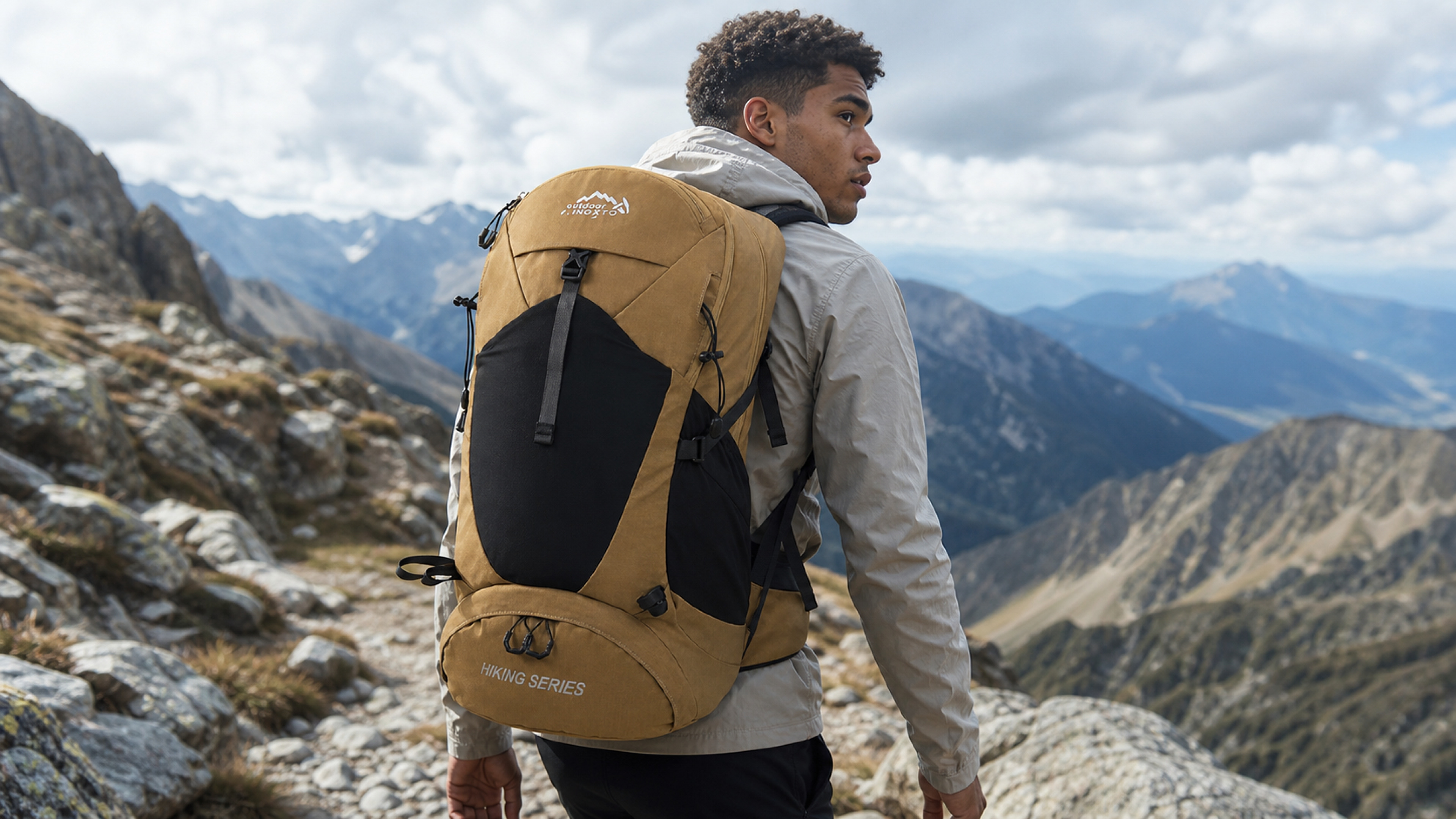
Capacity runs 40–50L expandable, which covers everything from a fast overnight to a full multi-day carry. Crucially, it keeps internal frame support. I'd push back on the idea that lightweight has to mean frameless — a frame is how load reaches your hips, and at 50L with a few days of food you are carrying enough weight that skipping the frame stops being clever and starts being painful. Keeping it, plus a ventilated suspension and a supportive hip belt, is the right compromise for a pack aimed at most hikers rather than record-chasers.
Storage is well arranged for movement: large external pockets keep water and wet gear outside the main compartment and reachable on the go, compression straps stabilise a load that shrinks daily, and multiple attachment points handle poles or a mat.
The qualification I'd attach — and I always do with laminates — is that they're stiffer and noisier than woven fabrics, and they crease permanently rather than softening with age. That's a texture preference, not a performance flaw. If you want a pack that ages soft, this isn't it. If you want one that keeps its waterproofing while costing a third of the premium options, go look at it now, because these tend not to sit around.